Trying to reduce the waste at home is rarely about doing more. It is usually about removing what no longer serves a purpose and preventing unnecessary buildup from happening again.
For many Tampa homeowners, waste does not come from daily trash alone. It comes from bulky items, leftover materials, broken furniture, and old belongings that slowly take over garages, sheds, spare rooms, and yards. Over time, clutter becomes waste, and waste starts affecting how a home functions.
This guide breaks down realistic ways to reduce household waste, why clutter tends to accumulate in the first place, and when removing existing junk is the most effective step forward.
Why Household Waste Accumulates Even in Well-Kept Homes
Most household waste builds up quietly. It does not arrive all at once, and it rarely feels urgent until space becomes unusable.
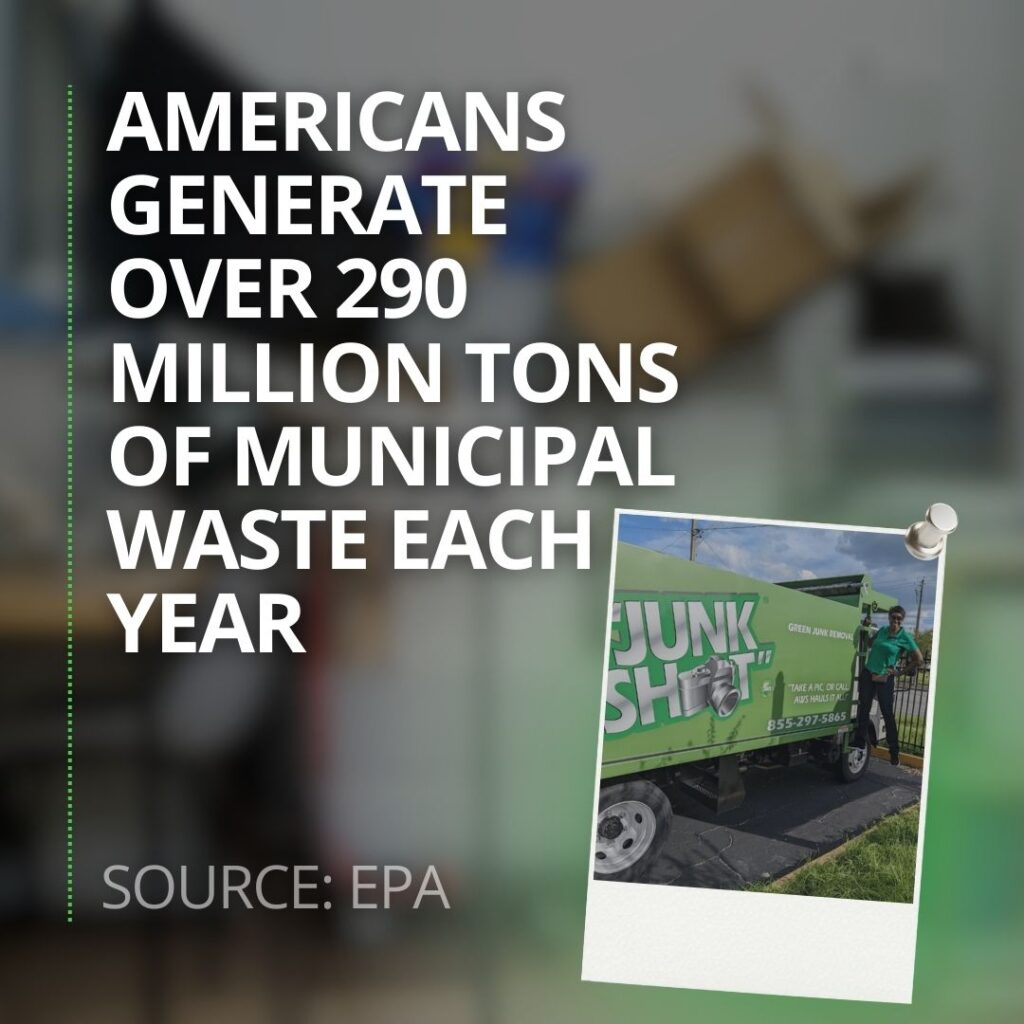
According to the U.S. EPA, Americans generate over 290 million tons of municipal solid waste each year, with bulky household items like furniture, appliances, and renovation debris accounting for a growing share. These are not items that fit into weekly trash bins, so they tend to linger.
In Tampa homes, waste accumulation is often driven by life transitions and practical delays rather than neglect. Common contributors include moves, remodels, post-storm yard cleanup, upgrades to furniture or appliances, and changes in household needs.
Items are set aside with the intention of dealing with them later, but later often turns into months or years. Once storage areas become default holding zones, waste reduction becomes harder without a deliberate reset.
The Difference Between Daily Waste and Long-Term Junk
Reducing waste requires understanding that not all waste behaves the same way.
Daily waste includes packaging, food scraps, and disposable items that move through a home quickly. Long-term household junk consists of items that are durable, bulky, or difficult to dispose of, which is why they accumulate.
Long-term junk commonly includes:
- Old furniture and mattresses
- Broken or outdated appliances
- Electronics that are no longer in use
- Yard debris and storm-related materials
- Leftover renovation or DIY project waste
These items do not feel urgent because they are not actively causing problems at first. Over time, however, they reduce usable space, create safety hazards, and make organization nearly impossible.
Why “I’ll Deal With It Later” Rarely Works
One of the biggest barriers to reducing waste is delay.
Homeowners often keep items because they might be repaired, donated, sold, or reused someday. While that intention is reasonable, the reality is that without a timeline or plan, those items usually stay exactly where they are.
Research on household clutter consistently shows that deferred decisions are a major reason clutter persists. Items kept without a clear next step tend to remain untouched indefinitely, especially when disposal requires effort, heavy lifting, or coordination.
Waste reduction becomes far more effective when homeowners replace open-ended intentions with decisive action.
How Storage Areas Become Long-Term Waste Zones
Garages, sheds, and spare rooms often hold the largest concentration of waste in a home.
These spaces are designed for flexibility, which makes them easy places to postpone decisions.
Unfortunately, once they fill up, they stop serving their original purpose and become long-term junk storage instead.
During professional cleanouts, some of the most common findings include:
- Furniture was kept after upgrades, with no plan for removal
- Appliances replaced years ago but never disposed of
- Broken items kept for possible repair
- Boxes of unused household goods from previous moves
Clearing these areas often results in the most noticeable improvement in how a home functions, because it restores space that homeowners forgot they had.
Why Donation and Recycling Only Solve Part of the Problem
Donation and recycling are important tools for responsible disposal, but they are not catch-all solutions.
Many homeowners overestimate how much can realistically be donated or recycled. Donation centers typically require items to be in good condition, and recycling programs often exclude bulky or mixed-material items.
Items that frequently cannot be donated or recycled include:
- Mattresses and box springs
- Heavily worn or damaged furniture
- Large appliances
- Construction and renovation debris
- Broken electronics
When homeowners run into these limitations, waste often stalls in place instead of being removed.
The Role of One-Time Cleanouts in Waste Reduction
While daily habits help prevent waste, the largest reductions usually come from addressing existing clutter all at once.
Major cleanouts are especially effective during transitions such as moving, renovating, downsizing, or recovering from storm damage. These moments create an opportunity to remove accumulated waste instead of relocating or reorganizing it.
A comprehensive cleanout allows homeowners to:
- Eliminate multiple years of accumulated junk at once
- Reclaim storage and living space
- Reset how the home is used and organized
- Prevent waste from immediately rebuilding
Without this reset, waste reduction efforts often feel like they are fighting an uphill battle.
Why Large Junk Is the Hardest Waste to Eliminate
Bulky household items present the biggest obstacle to waste reduction.
Furniture, appliances, and heavy debris require planning, lifting, transportation, and knowledge of disposal rules. These challenges are the primary reason large items remain in homes long after they are no longer useful.
Other common issues homeowners face include:
- Limited vehicle access for transport
- Disposal fees and facility restrictions
- Physical strain or injury risk
- Uncertainty about proper disposal methods
As a result, large junk often stays put, even when homeowners want it gone.
How Junk Removal Supports Long-Term Waste Reduction
Professional junk removal plays a key role in reducing household waste by removing items that homeowners cannot easily handle on their own.
Instead of piecemeal disposal, junk removal allows waste to be eliminated in a single, coordinated effort. This prevents clutter from lingering and makes it easier to maintain a lower-waste home afterward.
Junk Shot Tampa helps Tampa homeowners remove:
- Furniture and mattresses
- Appliances and bulky items
- Garage and shed clutter
- Renovation and yard debris
By clearing accumulated waste efficiently, homeowners can focus on prevention rather than backlog.
Waste Reduction Benefits Beyond Space
Reducing waste improves more than organization.
Homes with less clutter are easier to clean, safer to navigate, and less appealing to pests. In Tampa’s warm and humid climate, cluttered spaces can trap moisture and restrict airflow, contributing to odor and deterioration issues.
Homeowners often notice:
- Improved safety and mobility
- Reduced pest activity
- Easier maintenance and cleaning
- Less stress caused by visual clutter
These benefits extend well beyond storage.
Simple Habits That Help Waste Stay Gone
Reducing waste only sticks when homeowners change how items enter and exit the home. After a major cleanout, the biggest risk is not new clutter.
It is reverting to the same decision patterns that allowed waste to accumulate in the first place.
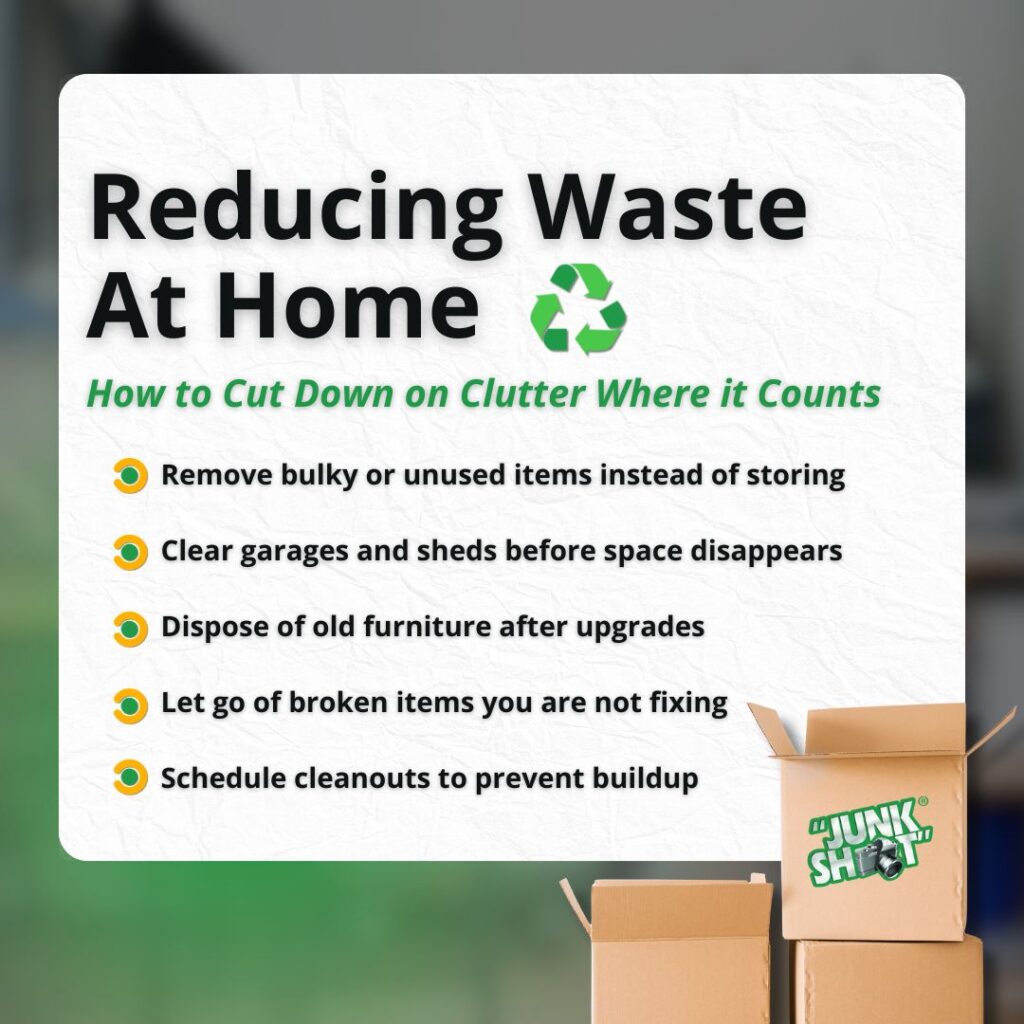
Create Plans Before Items Lose Value
When purchasing furniture, appliances, or large household items, decide upfront how the old item will be removed.
Waiting until something breaks or becomes unusable often leads to long-term storage instead of disposal.
Limit “Temporary Storage” Areas
Garages and spare rooms become waste zones because they lack boundaries. Designating only one small, defined area for temporary holding forces decisions to be made instead of postponed indefinitely.
Tie Removal to a Project
Every renovation, furniture upgrade, or home improvement project should include disposal as part of the plan, not an afterthought.
Projects that do not include removal almost always leave behind leftover materials, broken items, or outdated fixtures.
Address Broken Items First
Items kept “to fix later” are one of the most common sources of long-term junk. If an item is not repaired within a short, defined timeframe, it should be removed.
This prevents broken items from quietly becoming permanent clutter.
Schedule Cleanouts Proactively
Many homeowners wait until the space is unusable before addressing waste. Periodic cleanouts prevent buildup and make disposal easier, faster, and less overwhelming.
These habits reduce the chances of clutter rebuilding and make future waste easier to manage.
When to Call a Junk Removal Professional
Many Tampa homeowners want clutter gone but get stuck when items are too large, too heavy, or too difficult to dispose of responsibly.
At that point, professional junk removal becomes a practical step that supports waste reduction rather than replacing it.
It makes sense to call a junk removal professional when:
- Bulky items are involved: Furniture, mattresses, appliances, and renovation debris are difficult to move and rarely accepted through regular pickup.
- Waste has accumulated across multiple spaces: Garages, sheds, yards, and spare rooms filled with junk often require a coordinated removal instead of piecemeal trips.
- Disposal rules create delays: Landfill restrictions, disposal fees, and limited drop-off options often cause waste to sit longer than intended.
- DIY removal is no longer efficient or safe: Time, physical strain, or repeated trips can outweigh the benefits of handling disposal independently.
Junk removal helps eliminate the backlog that prevents progress. Once accumulated waste is removed, homeowners are in a much better position to maintain a lower-waste home moving forward.
Related Questions
What items cannot go in regular trash pickup in Tampa?
Bulky items such as furniture, mattresses, electronics, appliances, and construction debris are often restricted and require special handling or alternative disposal options.
How do homeowners usually underestimate junk volume?
Items stored across multiple areas often add up quickly. What feels like a small amount in each space can become a full cleanout once everything is removed at once.
Is junk removal only for major cleanouts?
No. Junk removal is commonly used for single large items, partial cleanouts, construction or renovation debris, and yard waste when disposal becomes impractical.
Conclusion
You can reduce waste at home, and it is not about perfection. It is about making realistic decisions and taking action before clutter becomes a long-term problem. Small habits help slow waste buildup, but removing existing junk creates the biggest change.
By combining waste-reduction habits with professional junk removal, Tampa homeowners can reclaim space, improve safety, and keep their homes easier to manage over time.